The two-second rule stands as one of Texas’s most fundamental safety guidelines, requiring drivers to maintain adequate following distance to prevent rear-end collisions. When drivers fail to maintain proper spacing between vehicles, they create dangerous conditions that frequently result in serious accidents and significant legal liability. Understanding this rule and its implications can protect both your safety and your legal interests on Texas roads.
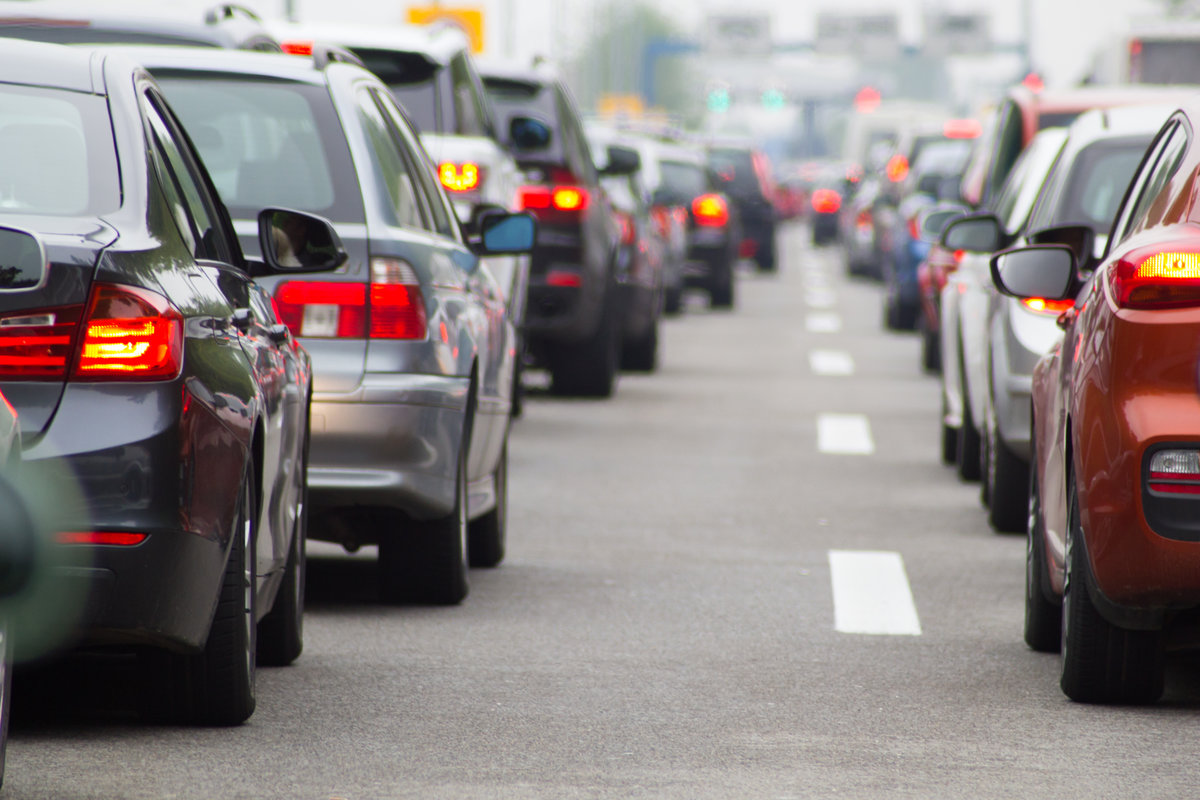
Maintaining proper following distance becomes critical during emergency braking situations, adverse weather conditions, and heavy traffic scenarios. Car accident cases often involve disputes about following distance, making this rule a cornerstone of safe driving practices and liability determinations across the state.
What Is the Two-Second Rule?
The two-second rule provides a simple method for calculating a safe following distance behind another vehicle. Drivers should maintain enough space to allow at least two seconds to pass between when the vehicle ahead passes a fixed object and when their own vehicle reaches that same point.
To apply this rule correctly, choose a stationary reference point such as a sign, tree, or overpass that the vehicle ahead is approaching. Begin counting when the front vehicle passes the reference point, saying “one one-thousand, two one-thousand.” Your vehicle should not reach that reference point before completing the two-second count.
Weather conditions and road surfaces may require extending this distance. During rain, fog, or icy conditions, drivers should increase following distance to three or four seconds to account for reduced visibility and longer stopping distances.
Legal Requirements for Following Distance in Texas
Texas Transportation Code Section 545.062 establishes the legal framework for following distance requirements. The law states that drivers must not follow another vehicle more closely than is reasonable and prudent, considering vehicle speed, traffic conditions, and road surface conditions.
While Texas law does not specifically mandate the two-second rule, it requires drivers to maintain sufficient distance to avoid collisions if the vehicle ahead stops suddenly. This reasonable and prudent standard typically aligns with the two-second rule for normal driving conditions.
Traffic violation cases demonstrate how courts interpret following too closely as evidence of negligent driving behavior. Law enforcement officers can issue citations for following too closely, which carry fines and may impact insurance rates.
How Following Distance Affects Liability
Following distance plays a crucial role in determining fault in rear-end collision cases. When drivers fail to maintain adequate spacing, they may face presumed liability for resulting accidents under Texas negligence law.
The rear driver typically bears responsibility for rear-end collisions because they have the duty to maintain a safe following distance. However, multiple factors influence liability determinations in these cases.
Traffic conditions at the time of the collision affect liability assessments. Stop-and-go traffic, construction zones, and emergency situations may alter expectations for following distance and reaction time.
Comparative Negligence Considerations
Texas follows a modified comparative negligence system that can reduce damage awards based on each party’s percentage of fault. Even when the following driver bears primary responsibility, the lead driver might share liability if they contributed to the accident through sudden stops or equipment failures.
Texas comparative negligence laws allow injured parties to recover damages as long as their fault remains below 51 percent. This system encourages careful analysis of all contributing factors in following distance accidents.
Common Scenarios and Liability Issues
Certain driving situations create complex liability questions related to following distance requirements. Understanding these scenarios helps drivers recognize when additional caution becomes necessary.
Chain reaction accidents involving multiple vehicles often result from inadequate following distances. The initial rear-end collision may trigger secondary impacts, creating liability for multiple drivers who failed to maintain proper spacing.
Commercial vehicle accidents present unique challenges regarding following distance. Large trucks require significantly longer stopping distances than passenger vehicles, making the two-second rule insufficient for heavy commercial traffic.
Weather-Related Complications
Adverse weather conditions complicate the following distance requirements and liability determinations. Rain, ice, fog, and snow all affect vehicle stopping capabilities and driver visibility.
Drivers who fail to adjust following distance for weather conditions may face enhanced liability for resulting accidents. Courts expect reasonable drivers to recognize dangerous conditions and modify their driving accordingly.
Proving distracted driving becomes relevant when following distance violations occur alongside other negligent behaviors, such as texting or phone use.
Protecting Yourself After a Following Distance Accident
The following distance accidents require immediate attention to preserve evidence and protect legal rights. Taking proper steps at the accident scene can significantly impact future insurance claims and legal proceedings.
Document the accident scene thoroughly, including vehicle positions, road conditions, and traffic signals. Photograph all vehicles involved, focusing on damage patterns that may indicate following distance issues.
Obtain contact information from witnesses who observed the collision. Their testimony may prove crucial in disputes about following distance, traffic conditions, and driver behavior leading up to the accident.
Medical attention should be sought immediately, even for seemingly minor injuries. Personal injury cases often involve delayed symptoms that become apparent hours or days after the initial collision.
Insurance Implications and Coverage Issues
Following distance violations significantly impact insurance claim processing and coverage determinations. Insurance companies typically assign fault based on the following distance evidence and police reports.
Rear-end collision claims generally proceed smoothly when clear following distance violations exist. However, disputed liability cases may require extensive investigation and legal representation to resolve coverage issues.
Policy limits become crucial in serious following-distance accidents involving multiple vehicles or significant injuries. Understanding coverage limitations helps victims pursue appropriate compensation through all available sources.
When Legal Representation Becomes Necessary
Following distance accidents may appear straightforward, but complex liability issues often emerge during insurance investigations. Legal representation becomes valuable when disputes arise about fault, damages, or coverage availability. Multiple vehicle accidents create intricate liability questions that require careful legal analysis. Determining each driver’s percentage of fault affects damage awards and settlement negotiations significantly. Commercial vehicle involvement adds layers of complexity to following distance cases. Trucking company liability extends beyond individual driver conduct to include maintenance, training, and supervision issues.
Serious injuries resulting from following distance violations may justify pursuing maximum compensation through litigation. Settlement negotiations often prove more successful when backed by thorough legal preparation and trial readiness. The experienced personal injury attorneys at Byrd Davis Alden & Henrichson, LLP, understand the complexities of following distance accidents and their liability implications. With over 65 years of experience and recognition as one of the Best Law Firms in the U.S. by U.S. News & World Report, we have successfully handled thousands of car accident cases throughout Texas. Our trial-ready approach and 98% success rate ensure maximum compensation for our clients.
If you’ve been injured in a following distance accident, don’t hesitate to contact us for a free consultation. We operate on a no-fee basis unless we win your case, allowing you to pursue justice without upfront costs.