While most Americans expect winter to bring relief from allergies, Central Texas residents face a unique seasonal challenge that makes January and February among the most dangerous months on the road. Cedar fever arrives precisely when drivers need maximum alertness, creating an invisible hazard that compounds an already serious public safety crisis.
At Byrd Davis Alden & Henrichson, LLP, we have represented Central Texas accident victims for over 65 years, and we have witnessed how the combination of severe allergic reactions and distracted driving creates particularly dangerous conditions during cedar season. Our experienced personal injury attorneys understand the complex factors that contribute to winter crashes and work tirelessly to protect the rights of those injured by negligent drivers.
Understanding Cedar Fever’s Impact on Driver Safety
Cedar fever is not actually a fever, but an intense allergic reaction to pollen from mountain cedar trees, scientifically known as Ashe juniper. These trees blanket the Texas Hill Country west of Interstate 35, releasing massive quantities of pollen from mid-December through February, with peak levels typically occurring in January.
What Makes Cedar Fever Dangerous for Drivers
According to the Texas A&M Forest Service, the concentration of Ashe junipers in Central Texas leads to exceptionally high pollen levels during this period. What makes cedar fever particularly problematic for drivers is the severity and unpredictability of symptoms. Sufferers experience persistent sneezing, watery and itchy eyes, severe nasal congestion, headaches, and fatigue. Unlike typical spring allergies, cedar fever affects even people who do not normally suffer from allergies because the sheer volume of pollen overwhelms the body’s immune system.
How Allergy Symptoms Create Driver Distractions
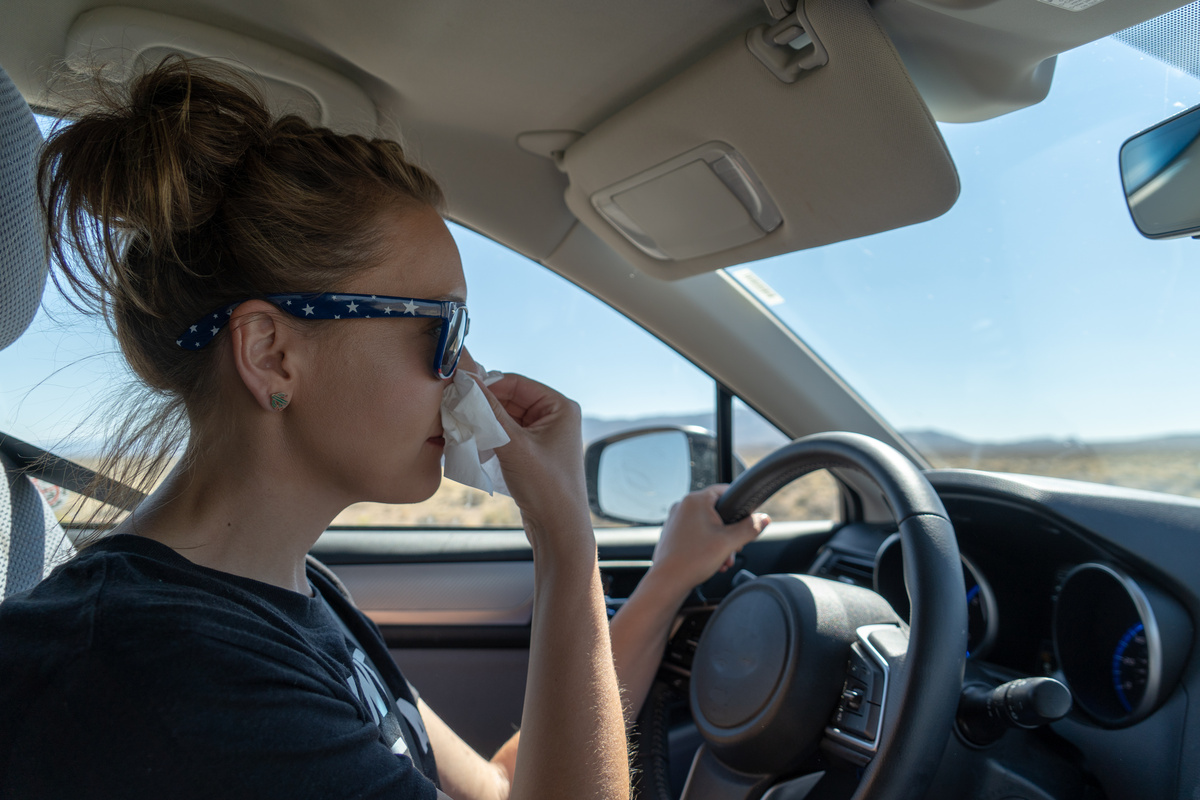
The physical symptoms of cedar fever create multiple forms of driver distraction at once. When a driver experiences a sudden sneezing fit, they momentarily lose control of the vehicle and visual focus on the road. Watery, irritated eyes significantly impair vision, particularly when combined with bright winter sunlight or headlight glare. Reaching for tissues, rubbing eyes, or adjusting climate controls all constitute manual distractions that take hands off the wheel. Perhaps most dangerously, the cognitive distraction caused by persistent discomfort and fatigue reduces a driver’s ability to make quick decisions and respond to sudden hazards.
Many cedar fever sufferers also take antihistamines and other allergy medications, which can cause drowsiness and impair reaction times. The combination of medication side effects and allergy symptoms creates a compounding effect that significantly increases car accident risk.
Texas’s Distracted Driving Crisis
Distracted driving has reached epidemic proportions in Texas, representing the second-leading cause of crashes statewide. The Texas Department of Transportation reports that in 2024, nearly one in five crashes on Texas roads involved a distracted driver, resulting in 373 deaths and 2,587 serious injuries.
The Legal Definition and Consequences
Texas law prohibits reading, writing, or sending texts while driving, with violators facing fines up to $200. However, distracted driving encompasses far more than just phone use. The Texas Department of Insurance defines it as any activity that takes a driver’s attention away from the road, including eating, drinking, adjusting controls, and dealing with physical discomfort such as allergy symptoms. Drivers who cause accidents while distracted by allergy symptoms face the same legal consequences as those distracted by phones or other activities.
When distracted driving causes catastrophic injuries or death, the consequences extend far beyond traffic fines. Victims and their families can pursue compensation for medical expenses, lost wages, pain and suffering, and other damages.
Protecting Yourself During Cedar Season
Austin has long been recognized as one of the worst cities in the nation for allergy sufferers, with Central Texas frequently referred to as the “Allergy Capital of the World.” During cedar season, residents must take proactive steps to manage their symptoms and maintain safe driving practices.
Essential Safety Precautions for Cedar Season Drivers
Drivers can reduce their risk during peak cedar season by implementing several practical strategies. Consider the following safety measures to protect yourself and others on the road:
- Monitor pollen levels: Check daily pollen counts through local news sources and plan travel during lower-count periods when possible.
- Manage vehicle environment: Keep windows closed, use cabin air filters, and run air conditioning to minimize pollen exposure while driving.
- Consult medical professionals: Work with a physician or allergist to find non-drowsy allergy medications that manage symptoms without impairing driving ability.
- Pull over when needed: If symptoms become overwhelming while driving, find a safe location to stop completely before addressing them.
These preventive measures can significantly reduce the risk of allergy-related driving incidents. If symptoms become severe enough to impair safe driving, the responsible choice is always to delay travel or arrange alternative transportation.
Advocacy for Cedar Fever Season Accident Victims at Byrd Davis Alden & Henrichson, LLP
Cedar fever season should not become an excuse for preventable accidents. At Byrd Davis Alden & Henrichson, LLP, we hold negligent drivers accountable when their failure to manage distractions causes harm to innocent victims. Our firm’s 65-year legacy in Central Texas personal injury law means we understand both the regional challenges our clients face and the legal strategies needed to secure maximum compensation.
If you’ve been injured by a distracted driver during cedar season or any other time of year, our experienced trial lawyers are ready to fight for your rights. Contact our Austin office today for a consultation to discuss your case and learn how we can help you recover the compensation you deserve.