If you are hurt at a Texas rodeo or livestock show, whether you can recover compensation often depends on a state law most people have never heard of: Chapter 87 of the Texas Civil Practice and Remedies Code, which limits liability for injuries caused by the inherent risks of farm animals and livestock shows. That law treats competitors, exhibitors, and spectators very differently, and it contains exceptions that can still allow a claim when someone else’s carelessness caused the harm.
Byrd Davis Alden & Henrichson, LLP has represented injured Texans since 1959, including people hurt in premises liability claims at event venues. Winter is stock show season across Central and South Texas, with large events such as Rodeo Austin and the San Antonio Stock Show & Rodeo along with many county shows, youth livestock exhibitions, and community rodeos. This post explains how Chapter 87 applies at those winter events and when an injury may still lead to a claim. For a broader look at fan injuries at rodeos and other outdoor competitions, see our guide on what to do if you are injured at a Texas rodeo or outdoor sporting event.
How Often Rodeo Injuries Happen
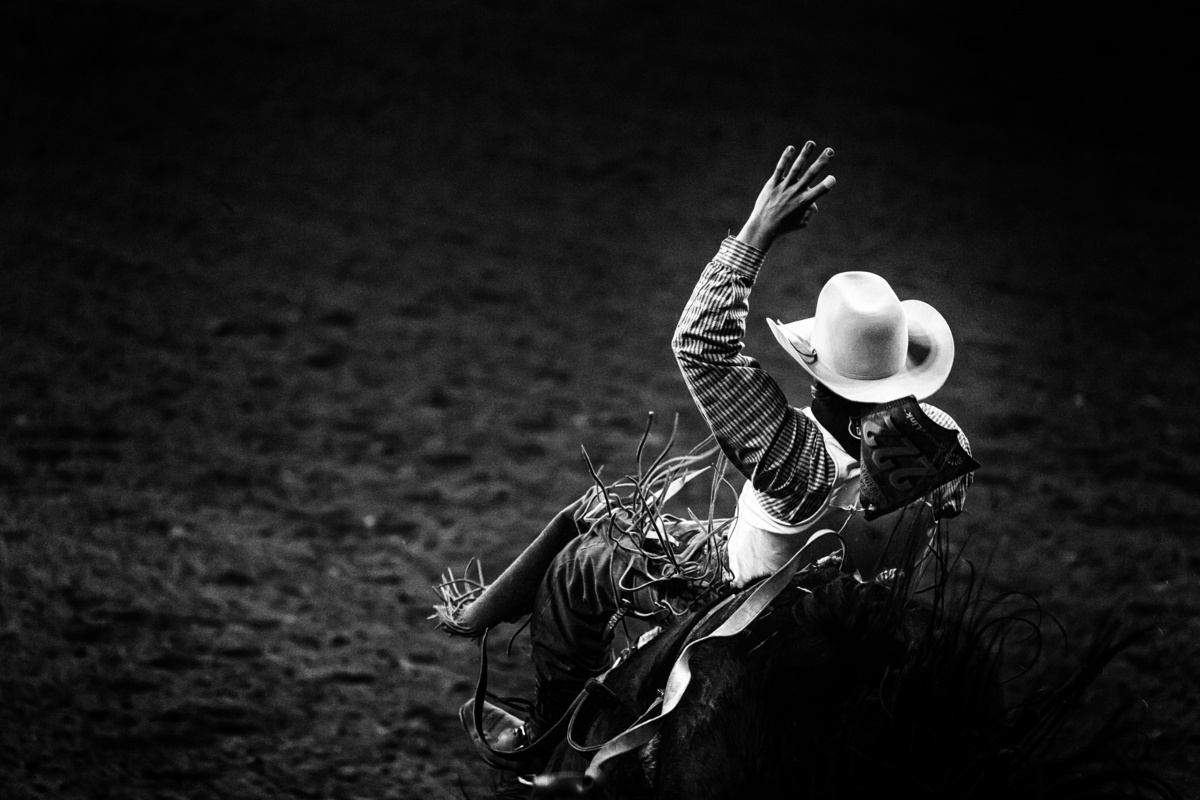
Rodeo is physically demanding for competitors. A study of four years of injuries at Professional Rodeo Cowboys Association sanctioned events, published in the Clinical Journal of Sport Medicine, recorded 2,305 injuries across 139,098 competitor exposures, an overall rate of 16.6 injuries per 1,000 exposures. Rough stock riders (bull riding, bareback, and saddle bronc) accounted for 88.7 percent of the injuries, and bull riding had the highest injury rate of any event.
The same research found that most injuries came from hitting the ground, colliding with an animal, or being stepped on. Contusions, sprains, and concussions were the most common injury types, and neurological, knee, and shoulder injuries were the most common by body region. Those figures describe professional competitors, but the same mechanisms (a kick, a fall, a crush against a fence) are what injure exhibitors, workers, and occasionally spectators.
Risks for Spectators, Exhibitors, and Vendors
Competitors face the most obvious dangers, but they are not the only people at risk during winter shows. Livestock can break through gates or temporary pens, equipment can fail, and crowded barns, wash racks, and walkways can create hazards. Cold, wet weather adds muddy ground and slick concrete. Youth exhibitors handling steers, heifers, lambs, and goats, along with the parents helping them, spend long hours in close contact with large animals, and vendors and temporary workers operate in tight quarters around crowds.
What Texas Chapter 87 Says About Livestock Show Injuries
Chapter 87, titled “Liability Arising From Farm Animals,” grew out of the Texas equine activity statute and now covers farm animal activities and livestock shows more broadly. Under Section 87.003, sponsors, farm animal professionals, livestock producers, livestock show sponsors, and livestock show participants are generally not liable for injury or death to a participant that results from the inherent risks of the activity.
What Counts as an Inherent Risk
The statute lists several inherent risks, including an animal’s natural tendency to behave in ways that can injure people around it, an animal’s unpredictable reaction to sounds, sudden movement, or unfamiliar objects, people, or animals, collisions with other animals or objects, and a participant’s own negligence, such as failing to control an animal or acting beyond their ability. In plain terms, the law expects people who choose to compete or show animals to accept that animals can be unpredictable.
Who Is a “Participant”
This definition matters. For a livestock show, the statute defines a participant as a person who registers for and is allowed by the show sponsor to compete. For farm animal activities more generally, a participant is a person who engages in the activity. Section 87.001 states that being a spectator is not engaging in a farm animal activity unless the spectator is in an unauthorized area and in immediate proximity to the activity. That distinction means many spectators fall outside the Chapter 87 limitation altogether, and their claims are analyzed under ordinary premises liability and negligence principles.
Required Warning Signs
Section 87.005 requires livestock show sponsors and farm animal professionals to post a warning about the Chapter 87 liability limitation in a clearly visible location near the barn, stable, corral, or arena, and to include the warning in written contracts with participants. If you see one of these signs at a show, it refers to this statute. Whether a sign was posted can be one of the facts an attorney reviews after an injury.
When a Claim May Still Be Possible
Chapter 87 is not a blanket shield. Section 87.004 lists situations in which the liability limitation does not apply. These include cases in which a person:
- Supplied faulty equipment or tack: The equipment caused the injury and the person knew or should have known it was faulty.
- Failed to assess the participant: The person provided the animal without making reasonable efforts to determine whether the participant could safely handle it.
- Ignored a known land hazard: A dangerous latent condition on land the person controlled caused the injury, and no conspicuous warning was given.
- Acted with willful or wanton disregard: The person’s conduct showed willful or wanton disregard for the participant’s safety.
- Intentionally caused the injury: The harm was intentional.
The statute also contains a livestock show provision covering people who were invited or allowed to take part in a show-related activity but were not registered participants. Each of these exceptions turns on specific facts, which is why early investigation matters.
Spectator and Visitor Injuries Under Premises Liability Law
When a spectator, vendor, or other visitor is hurt, the analysis usually begins with Texas premises liability law. A property owner or operator who invites the public onto the premises generally owes those invitees a duty to use reasonable care to make the premises reasonably safe or to warn of dangerous conditions they knew or should have known about. At a stock show, that can involve seating and bleachers, walkways, stairs, lighting, barriers between livestock and the public, and crowd management.
Not every injury means anyone did something wrong. The question is whether a specific, foreseeable hazard existed and whether the responsible party failed to take reasonable steps to address it. Where security or crowd control is at issue, a claim may also involve negligent security principles.
Your Own Share of Responsibility
Under Chapter 33 of the Civil Practice and Remedies Code, Texas uses modified comparative responsibility. If an injured person is found partly at fault, for example by entering a restricted pen area, their recovery can be reduced by their percentage of fault, and a person found more than 50 percent responsible cannot recover damages.
Youth Exhibitors and Families
Many winter shows center on 4-H and FFA youth exhibitors. A registered youth exhibitor is generally a participant for Chapter 87 purposes, so injuries from the ordinary unpredictability of an animal may fall within the liability limitation. Injuries caused by faulty equipment, a known and unmarked hazard in a barn, or conduct showing willful or wanton disregard may fall within an exception. Claims involving minors also follow special rules on timing and settlement approval, so families should get advice early. Our child injury lawyers can explain how those rules apply.
Investigating a Rodeo or Livestock Show Injury
Evidence at seasonal events disappears quickly. Temporary pens and bleachers are taken down, animals leave the grounds, and witnesses scatter once the show ends. If you are able, photograph the area where you were hurt, keep your ticket or exhibitor paperwork, note any posted warning signs, get the names of witnesses, and ask staff to document the incident in writing. Seek medical care right away, since head injuries and crush injuries can be more serious than they first appear.
Our legal team can review incident reports, event layouts, safety plans, photographs and video, and witness accounts to determine whether Chapter 87 applies and whether an exception or a premises liability claim may be available.
Filing Deadlines
Most Texas personal injury lawsuits must be filed within two years under Texas statute of limitations laws, specifically Section 16.003 of the Civil Practice and Remedies Code. If a publicly owned venue or government entity is involved, the Texas Tort Claims Act may require written notice within six months, and some city charters require notice even sooner. Speaking with a lawyer early helps protect those deadlines.
Frequently Asked Questions About Rodeo and Livestock Show Injuries
Does the Texas equine and farm animal law apply to spectators?
Generally not. Chapter 87 limits liability for injuries to participants, and the statute says being a spectator is not engaging in a farm animal activity unless the spectator is in an unauthorized area close to the activity. Spectator injuries are usually evaluated under ordinary premises liability and negligence rules instead.
Can I sue if a steer or horse injured me at a livestock show?
It depends on your role and what caused the injury. If you were a registered participant and the injury came from an animal’s normal unpredictability, Chapter 87 may limit liability. A claim may still be possible if faulty equipment, a known and unmarked hazard, inadequate screening of a participant’s ability, or willful or wanton conduct caused the harm.
Does a warning sign or signed release mean I cannot recover?
Not necessarily. The required Chapter 87 sign gives notice of the inherent risk limitation, but it does not erase the statutory exceptions. Releases are reviewed under their own legal requirements, and they may not cover every type of conduct. An attorney can review the specific sign or document involved.
How long do I have to file a rodeo injury claim in Texas?
Most personal injury claims in Texas must be filed within two years of the injury. If the venue is owned or operated by a government entity, a written notice of claim may be due within six months or less. Claims for injured children can follow different timing rules, so it is best to ask a lawyer promptly.
What should I do right after being hurt at a rodeo?
Get medical attention first. Then, if you can, photograph the scene, note any warning signs, collect witness names, keep your ticket or exhibitor paperwork, and ask event staff for a written incident report. Avoid giving recorded statements to an insurer before you understand your rights.
Byrd Davis Alden & Henrichson, LLP Can Help After a Rodeo Injury
Byrd Davis Alden & Henrichson, LLP has represented Texans injured through the negligence of others since 1959, and our trial lawyers have recovered over $100 million for clients. Past results do not guarantee a similar outcome in any future case. We handle injury cases on a contingency fee basis, so you pay no attorney’s fees unless we recover compensation for you; how case costs are handled is explained in our written fee agreement.
Rodeo and livestock show cases can involve Chapter 87, premises liability law, multiple potentially responsible parties, and insurance coverage questions. If you were hurt at a Texas rodeo or livestock show this winter season, contact our office to discuss your legal options during a confidential consultation with one of our personal injury attorneys.