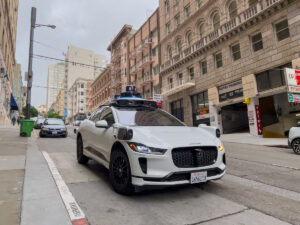
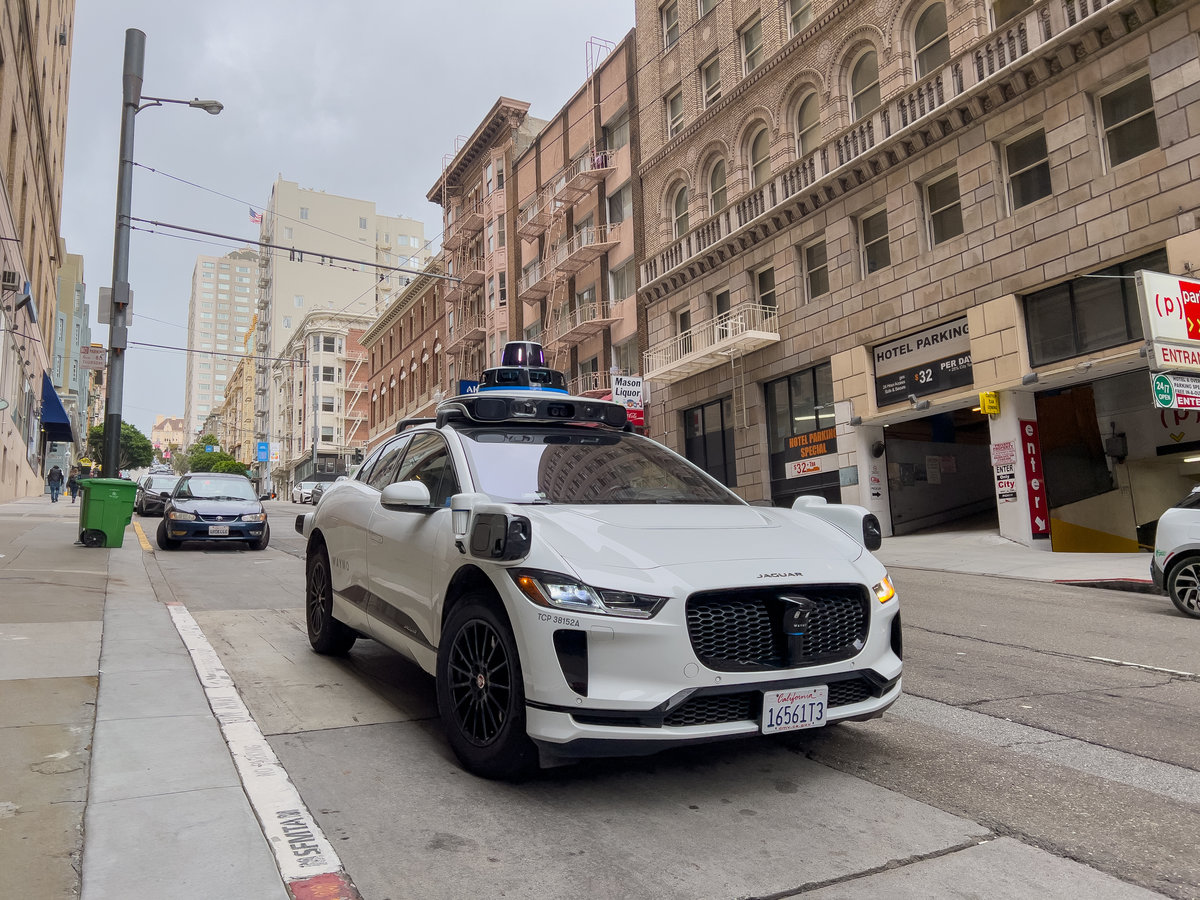
 Hailing a Waymo and assuming the ride will be uneventful is a reasonable expectation, but when something goes wrong inside a driverless vehicle, the legal path forward is far less straightforward than after a typical car crash. Self-driving technology is still being developed, tested, and refined on public roads, and the passengers and bystanders affected by its failures deserve to know where they stand.
At Byrd Davis Alden & Henrichson, LLP, we have been handling complex car accident cases in Austin and throughout Texas since 1959. As autonomous vehicles become a more familiar presence on public roads, our team has kept a close watch on how these claims are evolving, and we are prepared to help injured parties navigate them.
Who Is Liable When a Waymo Causes a Crash
One of the first questions after a Waymo accident is: who is responsible? Unlike a traditional crash involving a negligent human driver, autonomous vehicle collisions introduce a broader set of potentially liable parties. Depending on the circumstances, liability may fall on Waymo itself, the technology manufacturer, or even a third party, such as a negligent driver who struck the vehicle.
Waymo and the Technology Company
When the automated driving system (ADS) fails or behaves unexpectedly, Waymo LLC may bear direct responsibility. The National Highway Traffic Safety Administration (NHTSA) requires manufacturers to report crashes involving automated driving systems, and it actively investigates incidents involving autonomous vehicle technology to assess whether safety defects exist. NHTSA has opened multiple investigations into Waymo’s ADS following reports of unexpected vehicle behavior, including single-party crashes. These federal investigations are a signal that regulators take these incidents seriously, and injured victims should too.
Defective Components
In some Waymo crashes, the fault may trace back to a specific hardware or software component rather than the overall system. A sensor malfunction, a flawed software update, or a defective mechanical part could give rise to a product liability claim against the component manufacturer. These cases require thorough technical investigation, and the evidence gathered early on can be critical.
Filing a Claim After an Autonomous Vehicle Accident
The process of filing a claim after an injury caused by an autonomous vehicle shares some similarities with traditional personal injury claims but carries unique complications. Because Waymo vehicles are owned and operated by a corporation rather than an individual, you are effectively pursuing a claim against a large technology company with significant legal resources. Insurance coverage, data access, and liability disputes all require careful handling.
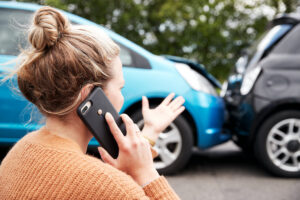
Victims should seek prompt medical attention and, when possible, preserve any documentation from the incident, including photos, witness information, and any communications with Waymo or its representatives. Any footage or vehicle data related to the crash may be valuable to your case, but that evidence can disappear quickly if it is not formally requested.
Several types of damages may be available to those injured in a Waymo accident. The following are common categories of compensation you may seek:
- Medical expenses: costs for emergency treatment, hospitalization, surgery, rehabilitation, and ongoing care related to your injuries
- Lost wages: income you were unable to earn during your recovery, as well as any reduction in your future earning capacity
- Pain and suffering: compensation for the physical pain and emotional distress resulting from the accident and your injuries
- Property damage: reimbursement for any personal property damaged in the collision
These categories are not exhaustive, and the value of each will depend on the specific facts of your situation.
How Texas Law Applies
Texas follows a modified comparative negligence standard, meaning that your recovery may be reduced if you are found to share any portion of fault for the accident. However, in many Waymo crash scenarios, the injured party played no role in causing the collision, which may strengthen your claim considerably.
It is also worth noting that a defective vehicle argument may apply if the crash stems from a design or manufacturing flaw in the Waymo system. Texas law allows injured parties to pursue compensation from manufacturers and sellers of defective products, and autonomous vehicle technology falls squarely within this framework when the technology itself is at fault.
Contact Byrd Davis Alden & Henrichson, LLP
Byrd Davis Alden & Henrichson, LLP is the oldest personal injury law firm in Austin, Texas, with a history dating back to 1959. Our attorneys are Board Certified and consistently recognized by Super Lawyers, Best Lawyers, and U.S. News & World Report’s Best Law Firms in the U.S. We have recovered over $100 million for our clients and maintain a 98% success rate, with no fees charged unless we win.
Autonomous vehicle accident claims are among the most complex in personal injury law today. If you or someone you know was injured in a Waymo or other self-driving vehicle crash, our team is ready to evaluate your situation and pursue the compensation you deserve. Contact us to get started.