
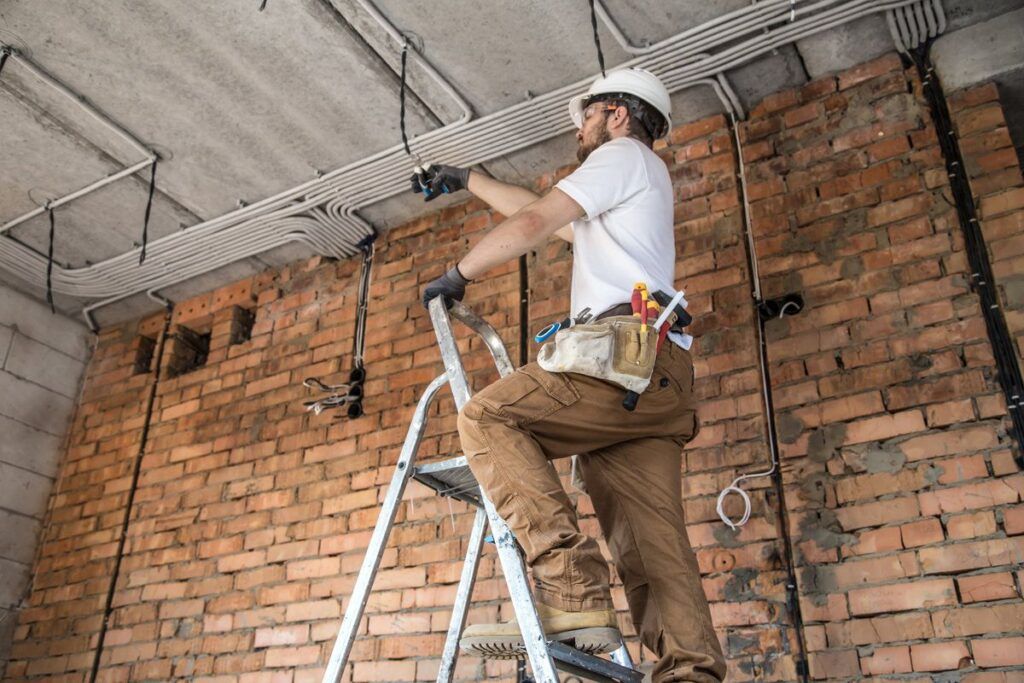
A routine service call can turn into a legal dispute in the seconds it takes for a ladder to slip or a floor to give way. When a contractor, vendor, or delivery worker is hurt while performing a job on someone else’s property, the questions that follow are never simple, and the answers often turn on details most property owners never thought to document.
Byrd Davis Alden & Henrichson, LLP has represented Texans on both sides of premises liability disputes for decades, and our attorneys understand how a routine incident can escalate into a serious injury claim. We help property owners and injured workers alike understand where Texas law draws the line between an owner’s responsibility and a contractor’s own obligation to work safely.
Understanding Chapter 95 and Property Owner Responsibility
Property owners often assume they carry automatic responsibility any time someone is hurt while working on their land, but Texas law says otherwise in most contractor and vendor injury cases. Chapter 95 of the Texas Civil Practice and Remedies Code generally protects property owners from liability when an independent contractor is injured constructing, repairing, renovating, or modifying an improvement to the property. Lawmakers designed this framework because contractors are hired for their skill in a particular trade, and the property owner typically has little say in how the daily work gets done.
However, this protection is not automatic in every situation. The statute allows for an exception when the property owner retains some control over how the work is performed, beyond simply starting or stopping the job or inspecting its progress, and possesses actual knowledge of the dangerous condition that caused the injury. Establishing whether an owner exercised this kind of control, or held real knowledge of a hazard, often becomes the central question in a construction accident claim, and it typically requires a careful review of contracts, correspondence, and site records.
How Control and Injury Type Affect a Claim
Courts look closely at the relationship between the property owner and the contractor before assigning fault. An owner who hires a contractor and steps back from daily oversight rarely faces liability under Chapter 95, though an owner who directs specific safety procedures, supplies faulty equipment, or ignores a known hazard may face a very different outcome. The Bureau of Labor Statistics reported falls, slips, and trips remained a leading cause of fatal construction injuries in 2024, highlighting exactly why courts examine these relationships so closely.
Vendors, delivery drivers, and other visitors who are not independent contractors performing construction work may fall under general premises liability principles instead. In those cases, whether the visitor is classified as an invitee, licensee, or trespasser can determine the duty of care the property owner owes. Our attorneys evaluate which framework applies to each situation before building a strategy for pursuing fair compensation, and this evaluation often reveals theories of liability a property owner or injured worker had not considered.
Steps to Take After a Contractor or Vendor Injury
The steps taken in the hours and days after an incident can significantly shape the outcome of a future claim, and a few consistent actions tend to make the biggest difference. You should do the following:
- Document the scene: Photograph the hazard, the equipment involved, and the surrounding conditions before anything is repaired or removed.
- Report the incident: Notify the property owner, general contractor, or site supervisor promptly, and request a written incident report.
- Preserve records: Keep copies of the contract, work order, safety briefings, and any job-related correspondence.
- Seek medical attention: Obtain a full evaluation soon after the incident, as some injuries such as fractures or internal trauma are not immediately apparent.
- Consult an attorney: Speak with a work-related injuries attorney before providing a statement to any insurance company.
Taking these steps early helps preserve the evidence needed to determine who bears responsibility for the injury.
Choose Byrd Davis Alden & Henrichson, LLP
Byrd Davis Alden & Henrichson, LLP has spent more than six decades representing injured Texans and property owners navigating complex liability disputes, and this history gives our attorneys a rare vantage point on how Chapter 95 claims unfold in central Texas courts. Our trial experience means we prepare every case as though it will be tried, which often leads to stronger settlement positions for our clients before a case ever reaches a jury.
Whether you are a property owner facing an unexpected claim, or a contractor or vendor who suffered a serious injury on the job, our team is ready to review the facts of your case and clearly explain your options. Contact us to schedule a consultation with an attorney who can help you move forward.